
The psychological impacts of gambling Understanding the mind's hidden struggles with Pinco
The Allure of Gambling
The psychological impacts of gambling are both fascinating and complex. Many individuals are drawn to games of chance, seeking the thrill that accompanies the possibility of winning. This allure can trigger a rush of dopamine, the brain’s pleasure chemical, creating an addictive cycle where players chase the euphoric highs of their wins. Understanding this psychological draw is crucial in recognizing how it can lead to harmful behaviors. For those interested in exploring related topics, https://texting.io/the-effectiveness-of-push-notifications-compared-to-traditional-marketing/ can provide valuable insights into effective marketing strategies.
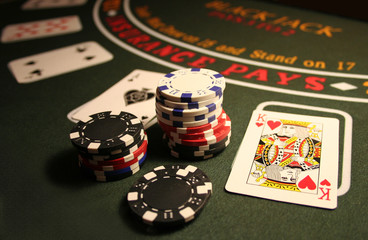
Furthermore, the environment of gambling establishments, including those like Pinco Casino, often amplifies these feelings. Bright lights, enticing sounds, and the social atmosphere can create a euphoric experience that clouds judgment. Players may find themselves caught in a whirlwind of excitement, leading them to gamble more than they initially intended.
The Psychological Effects of Loss
While winning can elevate mood and self-esteem, losses can have the opposite effect. The psychological toll of losing money can lead to feelings of despair, shame, and guilt. Many gamblers struggle to reconcile these emotions, leading to a dangerous cycle where they gamble again in hopes of recovering their losses. This behavior can spiral out of control, resulting in severe psychological distress.
Moreover, the impact of loss can extend beyond the individual. Relationships with friends and family can suffer as the gambler becomes increasingly isolated, prioritizing gambling over social interactions. This isolation can exacerbate feelings of depression and anxiety, further entrenching the individual in their gambling habits.
Addiction and Mental Health
Gambling addiction is a recognized mental health disorder that affects individuals from all walks of life. Symptoms can include preoccupation with gambling, an inability to stop, and increasing amounts of money spent in pursuit of the activity. This addiction often coexists with other mental health issues such as anxiety, depression, or substance abuse, complicating treatment efforts.
The consequences of gambling addiction can be dire, leading to financial ruin, legal problems, and severe emotional distress. Many individuals find themselves trapped in a cycle of gambling and regret, making it difficult to seek help. Recognizing the signs of addiction is critical for timely intervention and recovery.
Responsible Gambling Practices
Promoting responsible gambling practices is essential in mitigating the psychological impacts of gambling. Operators like Pinco Casino Canada emphasize the importance of setting limits and recognizing the signs of problem gambling. Providing resources for support and education can help individuals make informed choices while enjoying gaming responsibly.
Responsible gambling initiatives can include self-exclusion programs, budgeting tools, and access to counseling services. By fostering a culture of accountability and awareness, the gambling industry can play a pivotal role in reducing the psychological harm associated with gambling.

Understanding Pinco and Its Commitment to Players
Pinco Casino Online is dedicated to enhancing the gaming experience while prioritizing player well-being. Through various programs aimed at responsible gambling, the casino strives to create an environment where players can enjoy gaming without falling victim to its potential pitfalls. By focusing on education and support, Pinco aims to empower its players to make informed decisions.
In conclusion, the psychological impacts of gambling are profound and multifaceted. By understanding these hidden struggles, both players and operators can work together to foster a healthier gaming environment. Pinco Casino’s commitment to responsible gambling is a step towards ensuring that the excitement of gaming can be enjoyed safely and responsibly.